

Hearing the word "dyslexia" for the first time can feel overwhelming. It's natural to have questions about what it means for your child, and what — if anything — you should do next. Here's a simple, practical starting point.
Dyslexia affects how a child processes written language — it has nothing to do with intelligence or effort.

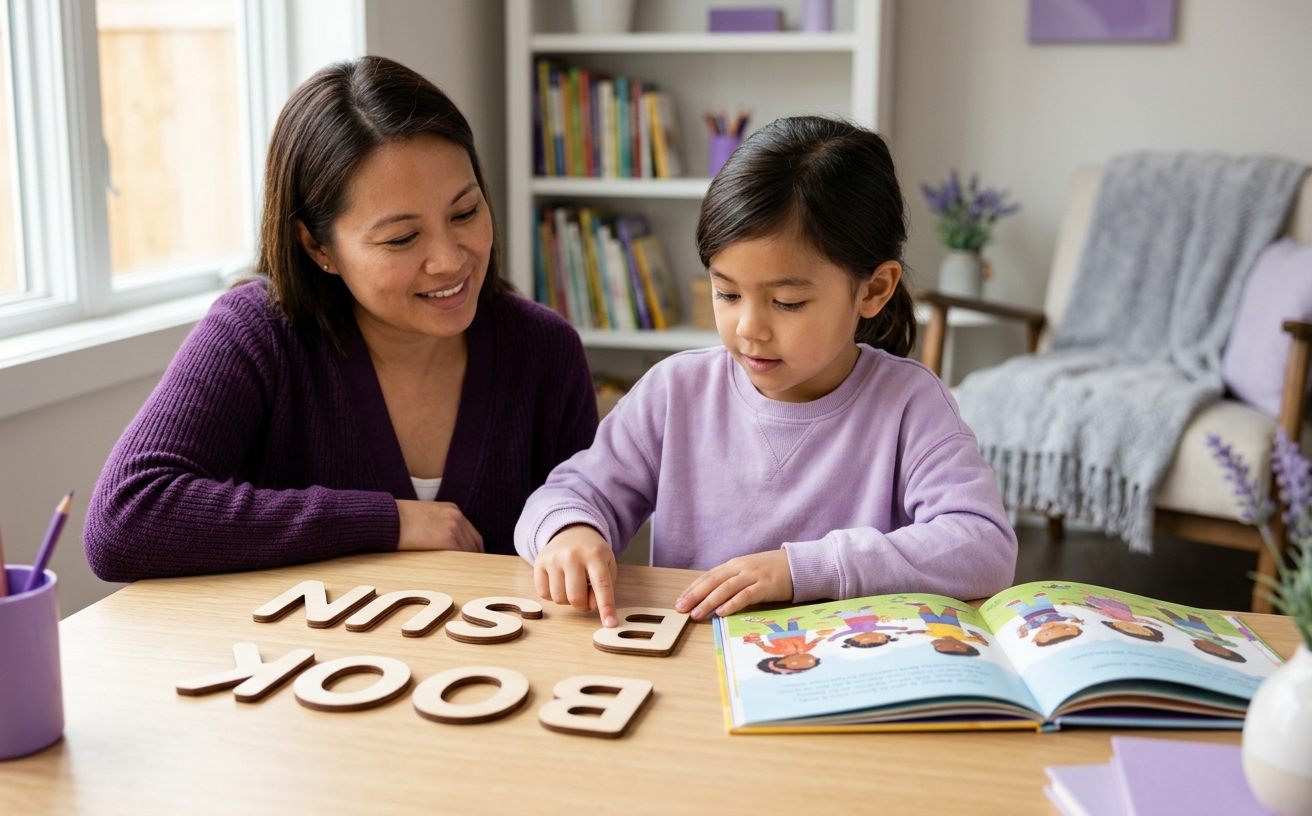
Every child's experience with reading looks a little different. Some children mix up similar-looking letters, others read slowly and carefully, and some avoid reading altogether because it feels harder than it should. None of these signs alone mean a diagnosis — they're simply worth paying attention to.
Common signs parents notice
Dyslexia can look different from child to child, and signs often become clearer once a child starts learning to read. Some parents notice their child struggles to sound out new words, has trouble rhyming, or takes noticeably longer to complete reading tasks than other children their age.

How Dyxi fits in
Dyxi is not a diagnostic tool, and it does not diagnose dyslexia. What it does is observe how your child engages with reading-related activities over time — things like accuracy and repeated attempts — and use those patterns to personalise the activities they see next. If you have specific concerns about your child's reading, a qualified professional is always the right next step.
- Reading feels frustrating rather than fun
- Difficulty sounding out unfamiliar words
- Trouble rhyming or recognising letter sounds
- Reading noticeably slower than expected for age
- Keep reading time low-pressure and encouraging.
- Celebrate effort, not just accuracy.
- Talk to your child's teacher if concerns continue.
Most importantly, remember that dyslexia is common, and with the right support, children with dyslexia go on to thrive in school and beyond. Understanding what's going on is the first step toward helping your child feel more confident with reading.

Leave a Reply



Get New Articles in Your Inbox
Practical tips for parents, sent straight to your email — no spam, unsubscribe any time.
2 Comments
Carolyn Wallace
January 27, 2023This is such a helpful explanation, thank you for breaking it down so clearly.
ReplyRay Cooper
January 27, 2023My daughter shows a couple of these signs — this gave me a good place to start.
ReplyMarrion Willsoriam
January 27, 2023Appreciate the reminder that this isn't about intelligence or effort.
Reply